Vehicles that plug in are more trouble-prone
The reliability of electric cars and plug-in hybrids is improving, but they still remain more trouble-prone than cars without plugs, according to a new Consumer Reports survey.
On average, EVs had 70% more problems than internal-combustion vehicles, the survey found. Electric cars, electric SUVs, and electric pickups are all among the least-reliable vehicle categories surveyed. Plug-in hybrids averaged 146% more problems than non-hybrid vehicles.
A previous survey pointed to the more complex interfaces and tech features automakers tend to pile onto EVs and plug-in hybrids as the main source of reliability issues. This time, it’s battery and charging systems as well, according to Consumer Reports.

2019 Chrysler Pacifica Hybrid
Hybrids, on the other hand, were more reliable than non-hybrid internal-combustion vehicles, with 26% fewer problems, according to the survey. This also continues a trend reported in previous surveys.
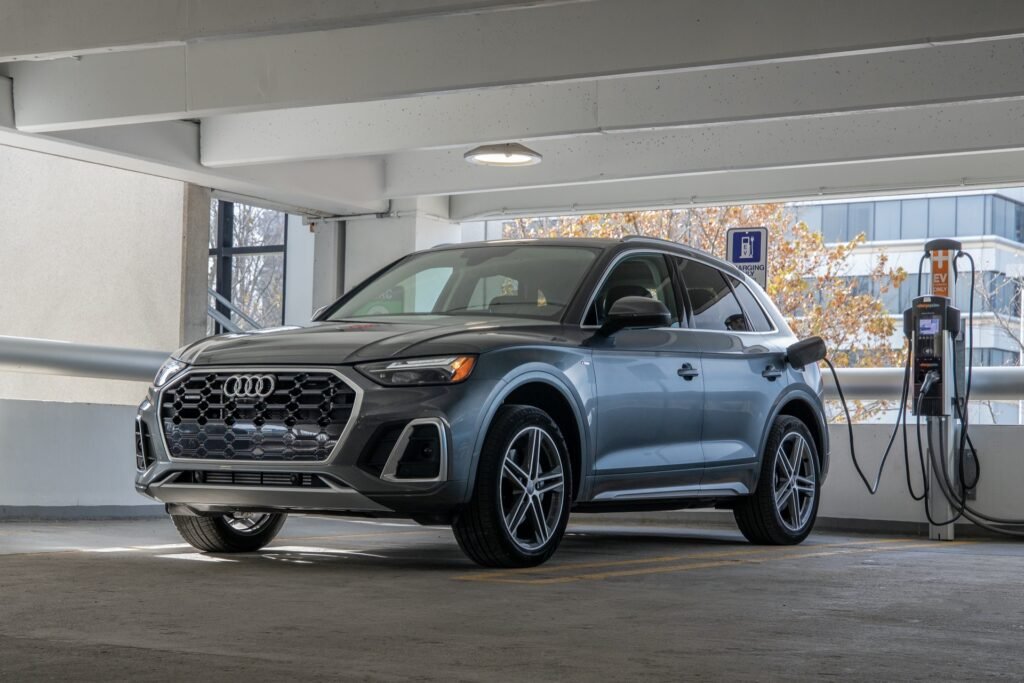
EV and plug-in hybrid reliability varied by brand and model. Some of the least-reliable plug-in hybrid models included the Chrysler Pacifica Hybrid and Audi Q5 plug-in hybrid. But other brands exceeded expectations.
Tesla was the second-ranked domestic brand (at number 14), while the Model 3 and Model Y received “average” reliability scores. The Model S and Model X were rated “below average.”
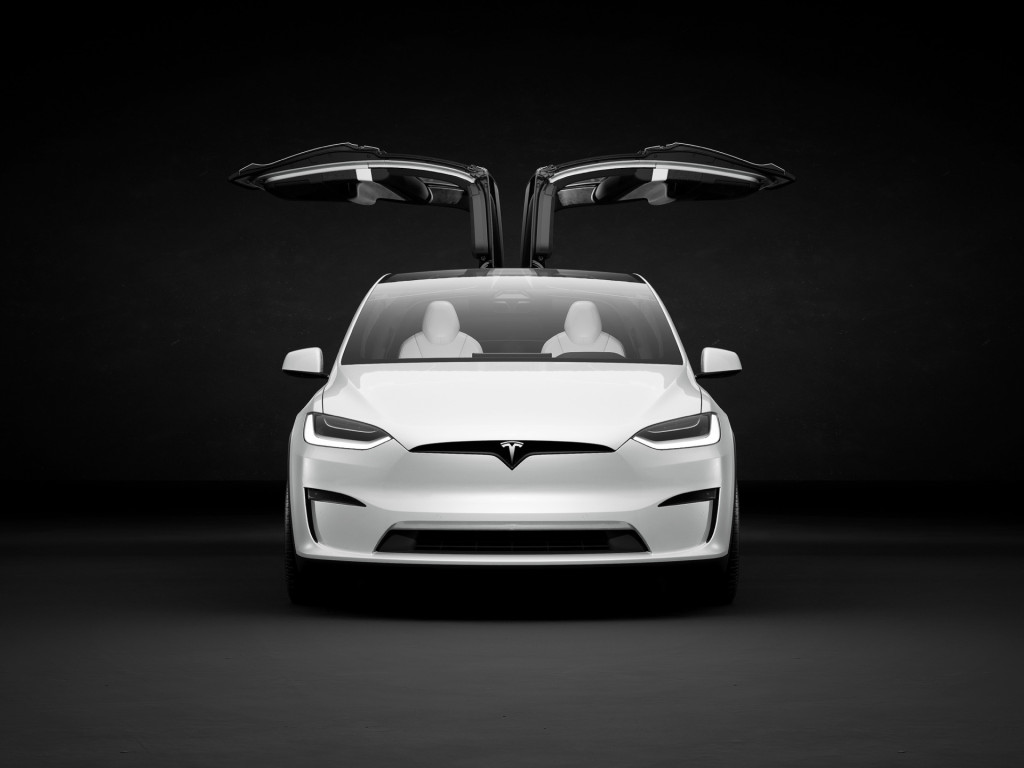
2023 Tesla Model X – Courtesy of Tesla, Inc.
Other plug-in reliability bright spots included the Nissan Ariya and the Ford Mustang Mach-E, which has improved to the point that it now makes Consumer Reports’ recommended list. Consumer Reports also notes that the Toyota RAV4 Prime bucks the plug-in hybrid trend for reliability issues and is “well above average.”
Buick, a brand with no U.S. plug-in vehicles, ranks at the top of domestic brands in reliability. General Motors said last year that Buick will transition to an all-electric lineup by 2030, with the first Buick EVs arriving in 2024. Ahead of that EV remake, Buick offered buyouts to dealers not interested in making the switch.