U.S. Hydrogen Car Sales Were Up In 2023, But Still Far Behind EVs
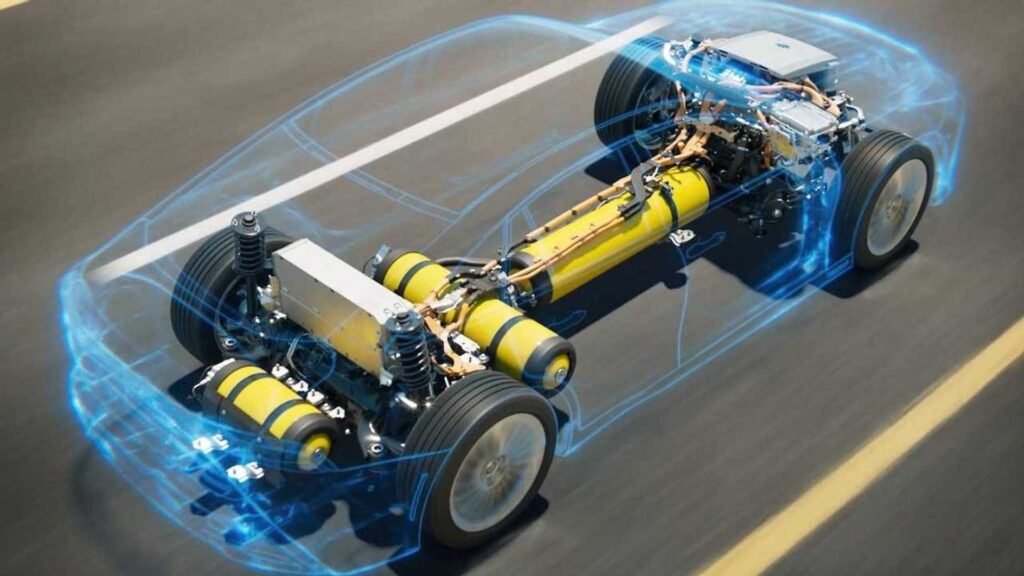
The hydrogen fuel cell car segment in the United States—and by that, we mean in California, where the series-produced models are available—noted a significant decline during the fourth quarter of 2023.
According to the Hydrogen Fuel Cell Partnership’s data, only 201 new hydrogen fuel cell cars (aka FCV or FCEV) were sold in the U.S. in Q4, 72% less than a year ago. This weak result ruined the chance to set a new annual sales record in 2023.
Get Fully Charged
Hydrogen Fuel Cell cars are zero-emission
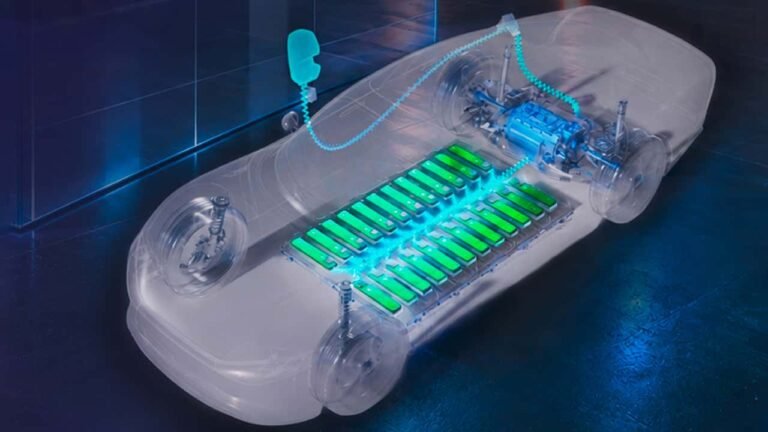
The cars powered by hydrogen fuel cells are kind of like of series-hybrids, where hydrogen is used to generate electricity for the electric motor. It’s a different approach to achieving zero-emission driving, compared to battery electric vehicles, which are powered solely by batteries.
It seems that it was the worst fourth quarter since 2015. Adding to the headaches of weak filing station growth is now more expensive hydrogen fuel, which is a negative for Toyota Mirai buyers.
The Hydrogen Fuel Cell Partnership’s FCVs sales data comes from Baum and Associates and is based on sales to retail and fleet customers.
The FCV segment remains dominated by one model: the Toyota Mirai, which noted 133 sales during the quarter (down 80% year-over-year), while the Hyundai Nexo noted 68 units (up 8% year-over-year). Other models, including the Honda Clarity Fuel Cell, were discontinued a few years ago.
Hydrogen car sales in Q4’2023 (YOY change):
Hydrogen sales reported by the manufacturers in Q4’2023 (YOY change):
- Toyota Mirai: 133 (down 80%)
- Hyundai Nexo: 68 (up 8%)

In 2023, 2,968 new hydrogen cars were sold, which is 10% more than a year ago. For reference, in 2022 FCEV sales exceeded 2,707 (down 19% year-over-year).
Hydrogen car sales in Q1-Q4’2023 (YOY change):
Hydrogen sales reported by the manufacturers in Q1-Q4’2023 (YOY change):
- Toyota Mirai: 2,737 (up 31%)
- Hyundai Nexo: 241 (down 41%)

This is a small positive result, although the year 2023 failed to exceed 3,000 units and beat the all-time record of 3,341 sales, which was set in 2021.

The overall cumulative sales of FCVs exceeded 17,940 as of the end of the quarter (not counting vehicles removed from use), which is 20% more than a year ago. This number includes 14,105 Toyota Mirai (almost 79% of all FCVs).
We guess that at this rate, the 25,000th hydrogen fuel cell car will be sold no earlier than late 2025.

As of January 10, 2024, the number of open retail hydrogen stations in California stood at 55 (the same number as in October):
- Open – Retail: 55
- Open – Legacy Retail: 0
- Currently Unavailable: 11
- In Construction: 4
- In Permitting: 18
- Proposed: 4
- On hold: 5
- Total (Light Duty): 97
We also noted that the number of sites under construction, in permitting or proposed, remains stagnant compared to the previous reports. See the full list of hydrogen infrastructure here.
A quick calculation reveals that there are 326 cars per single station (cumulative sales divided by the number of open retail stations). Although, it’s less due to the early cars that have been removed from service.