Smart’s #1 Electric Crossover Is Now Cheaper Thanks To LFP Batteries
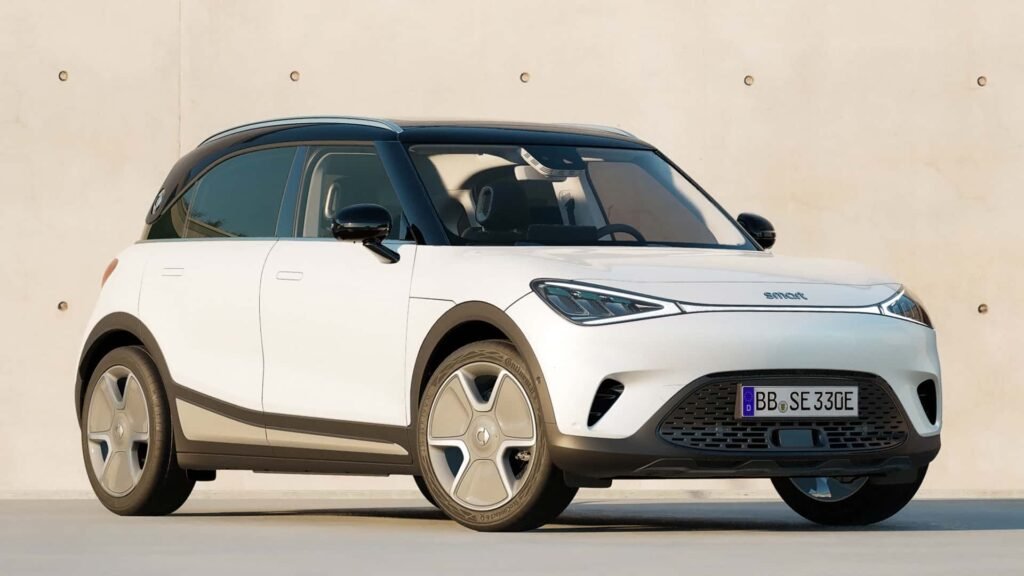
Smart, the European carmaker that established itself by making very small city cars in the 1990s, has revealed a new base trim level for its entry-level electric crossover dubbed #1.
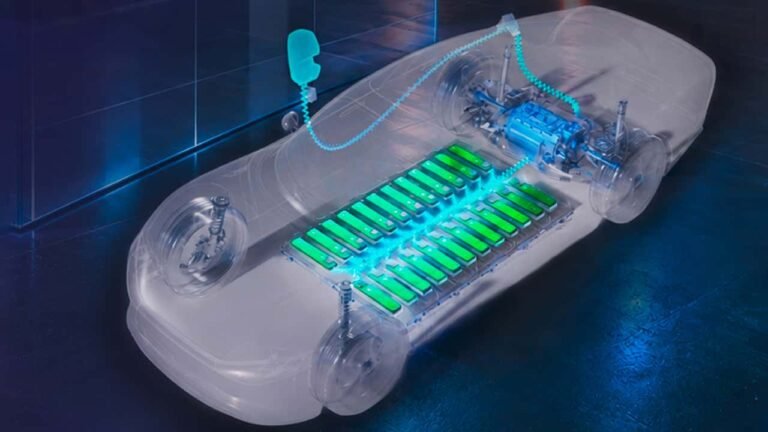
With a base price of €37,490 in Germany, which is about $39,700, the new “Pro” variant is powered by a 49-kilowatt-hour lithium iron phosphate (LFP) battery that’s good for a WLTP-rated driving range of 192 miles (310 kilometers), which should be enough for the urban streets of major European cities.
For reference, all the other trim levels get juice from a slightly larger, 66-kWh nickel cobalt manganese (NCM) battery that enables a range of 260-273 miles (420-440 km) on a full charge, according to the WLTP cycle, at least.
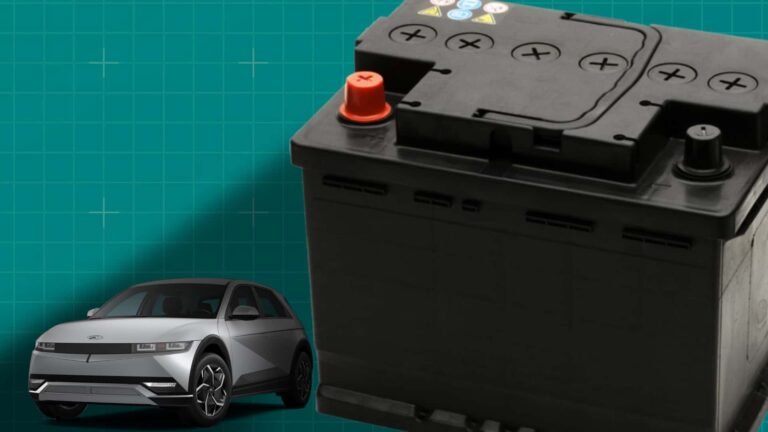
Compared to NMC lithium-ion batteries, LFP packs can be recharged over and over again to 100 percent state of charge (SoC) without worrying about degradation, but they’re heavier than their NMC counterparts and have a lower energy density, meaning that an LFP battery that has the same volume as an NMC battery will usually offer less driving range.
Getting back to the Smart #1 Pro, it’s powered by the same 200 kW (268 horsepower) rear electric motor that’s fitted to all the other trim levels and comes with a glass roof, dual-zone automatic climate control, heated front seats, 19-inch wheels, and LED headlights as standard.

4 Photos
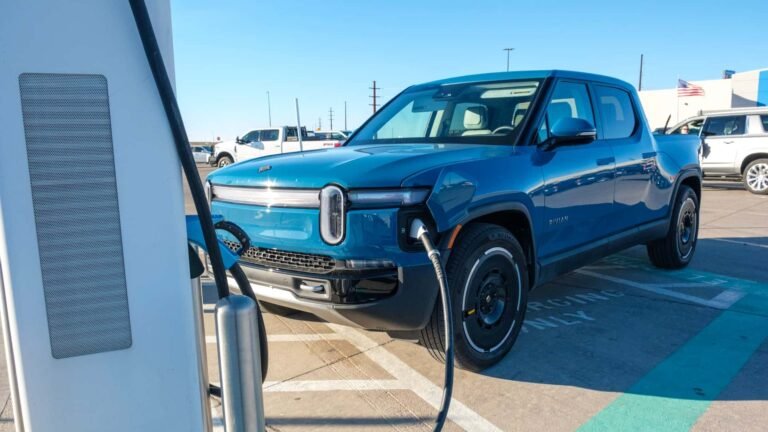
Charging-wise, the LFP version can accept up to 130 kW from a compatible DC fast charger, topping up the battery in under 30 minutes, the company says. By contrast, the NMC-powered Smart #1 can accept up to 150 kW.
“We are more than happy to be able to live up to the expectations of urban drivers, who focus more on practical things like a good body-to-space ratio, and for whom a range of around 300 kilometers is absolutely sufficient,” said Dirk Adelmann, CEO of Smart Europe. “The #1 Pro is a car for environmentally conscious city dwellers and commuters who can’t do without the premium quality and all-electric approach of the #1,” he added.
Believe it or not, the Smart marque that used to make the Fortwo city car is almost 30 years old, with the United States getting the diminutive two-seater for a smidge over a decade until slow sales prompted parent company Mercedes-Benz to get out of this market in 2019.
When it debuted in 1994, the Smart brand was a joint effort between Daimler-Benz and the maker of Swatch watches, with the name of the company being an acronym for “Swatch Mercedes Art.” Now, it’s a joint venture between Mercedes-Benz and Chinese car group Geely, with a portfolio of EVs that includes the #1 and #3 models, both of which are manufactured in China.