Reconductoring: The Quick Way To Double Grid Capacity
Sign up for daily news updates from CleanTechnica on email. Or follow us on Google News!
A recent article at Heatmap explains a simple way grid operators are coping with the increased loads and inputs they face today.
With more and more appliances and vehicles going electric, more power is needed. At the same time, record growth in renewable energy projects using wind and solar help make that power available, but there are only so many wires to carry that load from farms to users. This leaves grid operators in many areas struggling to build new lines quickly enough, and they run into heaps of red tape.
New power lines require not only money to build them, but easements and land purchases for the wires to go across, environmental reviews, inspections, engineering approvals, permitting, and all sorts of other things. All of these costs get sent along to clean energy providers and to customers. This makes renewable energy not only slow to implement, but also more expensive than it should be.
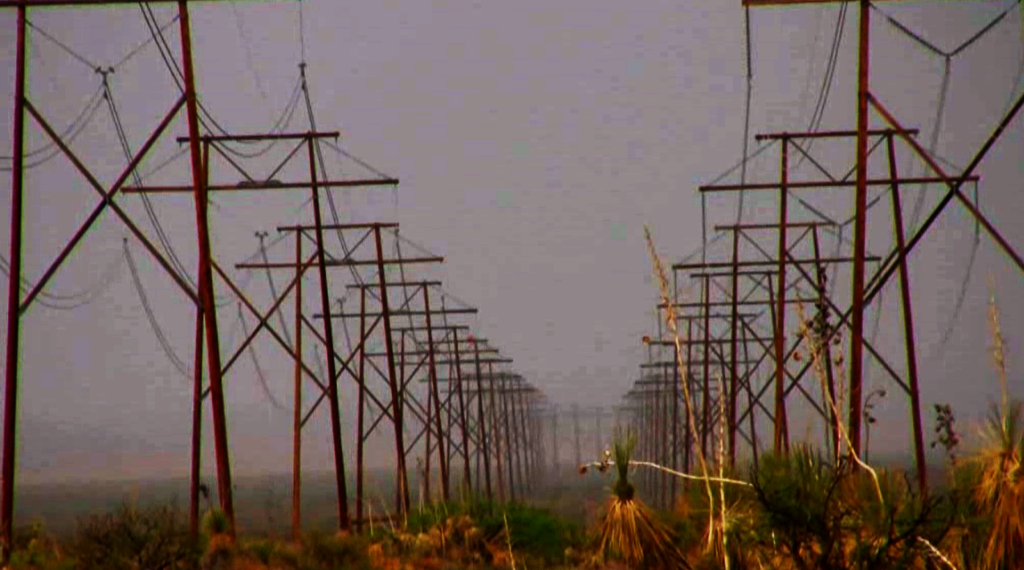
However, grid operators have started using a different method to carry more power without having to go through all of that hassle: stringing better wires along the same poles and towers. This doesn’t eliminate all permitting costs and all hassles, but it means that power companies now only need to apply for a maintenance permit to put new wires instead of going through the whole process of building a new set of lines alongside the existing ones.
How does it work? Instead of hanging aluminum conductors on big steel cables that can droop under heat and loads, wire companies are offering conductors with lighter weight and stronger composite cores. This lets the power line carry about twice as much power on the same poles. This comes at a much higher materials cost (2–4× the price of traditional steel-core wires), but the savings on permitting and reviews far more than make up for the difference in costs, making for a much cheaper overall upgrade cost.
The article goes on to share stories of successful implementations in the field, including some in Texas. The process has helped renewable projects complete ahead of schedule and below budget, so it’s obviously a clear winner. Even better, predictions for the future are fantastic using this method. Compared to regular grid upgrades, this method allows for as much as four times the capacity added between now and 2035 and could allow the United States to go to 90% renewable power by that time.
There are places and situations where the technology won’t work, but not many. The biggest thing holding the technology back is a lack of awareness among electric companies and fears of new technology. In other cases, the grid operator turns a profit on inefficient buildouts, so regulatory changes will probably be needed to encourage use of the technology over those that are more costly.
But if grid operators and renewable projects can get the kinks worked out, it provides more than enough grid growth to get the most out of the subsidies introduced with the Inflation Reduction Act. That alone is worth the hassle!
Featured image by Jennifer Sensiba
Have a tip for CleanTechnica? Want to advertise? Want to suggest a guest for our CleanTech Talk podcast? Contact us here.
Latest CleanTechnica TV Video

I don’t like paywalls. You don’t like paywalls. Who likes paywalls? Here at CleanTechnica, we implemented a limited paywall for a while, but it always felt wrong — and it was always tough to decide what we should put behind there. In theory, your most exclusive and best content goes behind a paywall. But then fewer people read it!! So, we’ve decided to completely nix paywalls here at CleanTechnica. But…
Thank you!
CleanTechnica uses affiliate links. See our policy here.